
Hyena research project, United tansania
Dr. Judith Lazak is a wildlife veterinarian and conservation strategist. Her approach bridges the gap between veterinary expertise and a strategic perspective on the wildlife-livestock interface. After completing her Doctor of Veterinary Medicine and an MBA at the Free University of Berlin, Judith focused her research on the complex challenges arising where nature meets human settlements.
Drawing on her specialized doctoral research in Namibia—which utilized GIS-based and molecular-epidemiological methods to analyze the spread of Bacillus anthracis in Etosha National Park and surrounding farmlands—as well as her extensive professional training in wildlife immobilization and capture across Southern Africa, the USA, and Germany, Judith founded United Tansania at Lake Eyasi in 2022.
Today, she leads vital hyena population studies, integrating advanced GPS-satellite technology with a comprehensive, community-based camera-trapping program to monitor carnivore dynamics and mitigate human-wildlife conflict.
“My passion for hyenas was not just a rational choice, but a genuine feeling sparked by my very first encounter with them. I find these animals simply captivating: they are beautiful, remarkably intelligent, and incredibly tough. Their complex social structures, led by powerful matriarchs, are as fascinating as their ecological importance. Despite this, they remain one of Africa's most misunderstood species. My personal mission is to give them a voice that is too often denied to them and to help reshape the public perception of these extraordinary animals, proving that they are as vital as they are magnificent.”
Join Us in Protecting Hyenas
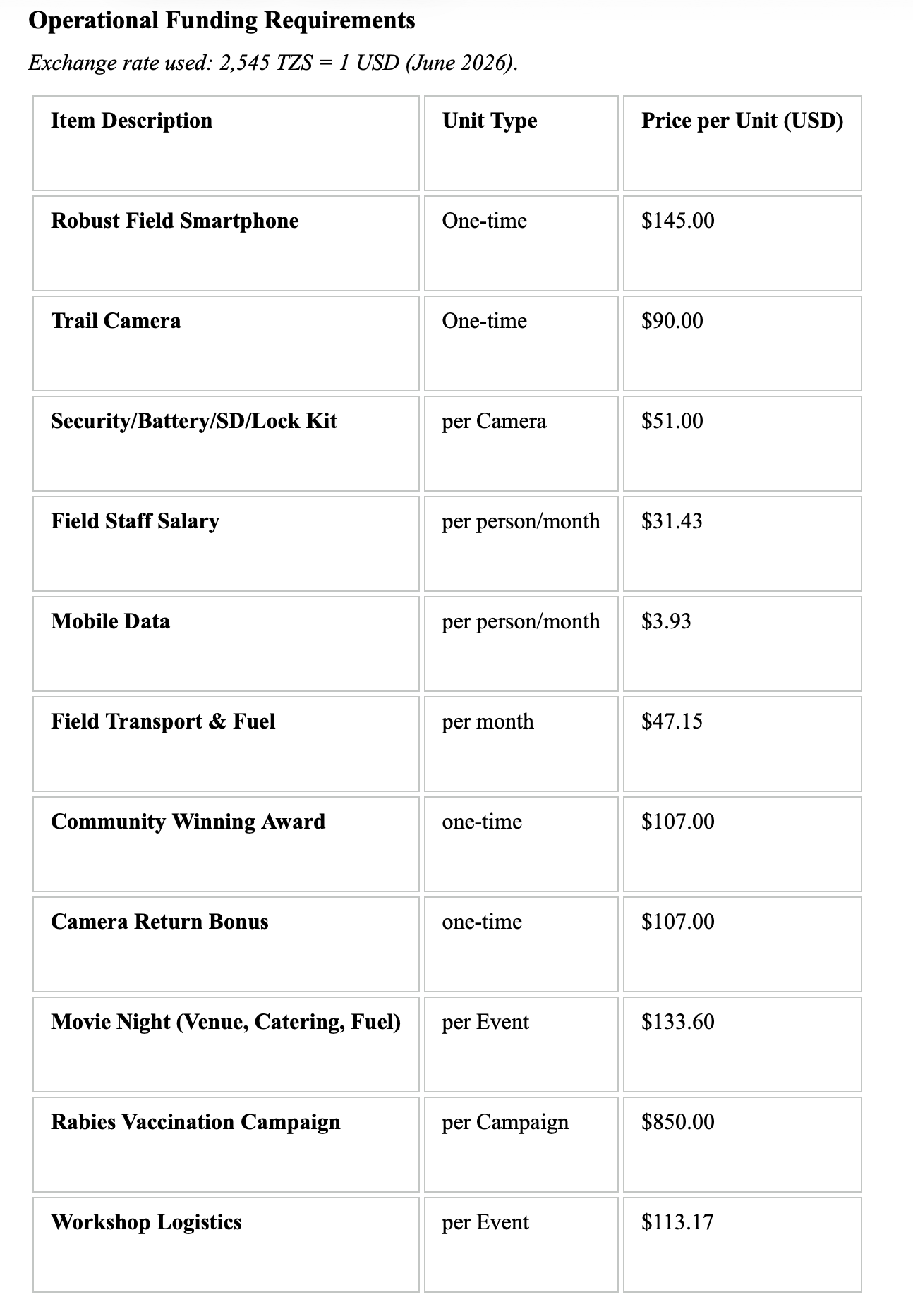
If you would like to donate to our hyena project today, here’s an overview of what Judith’s current funding requirements include:
🌍 Every contribution helps us understand hyenas better and work in tandem with nature to ensure their survival.
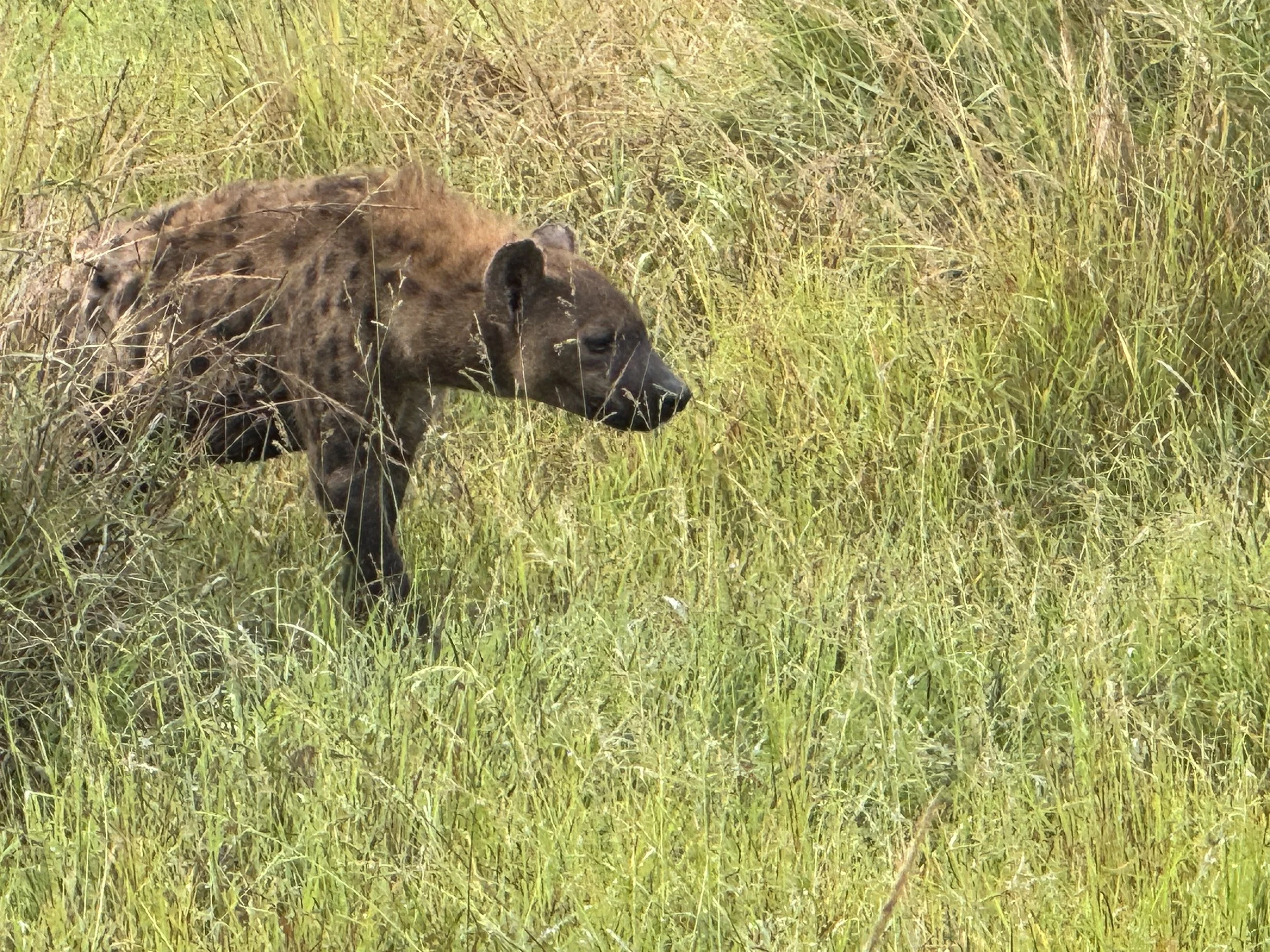
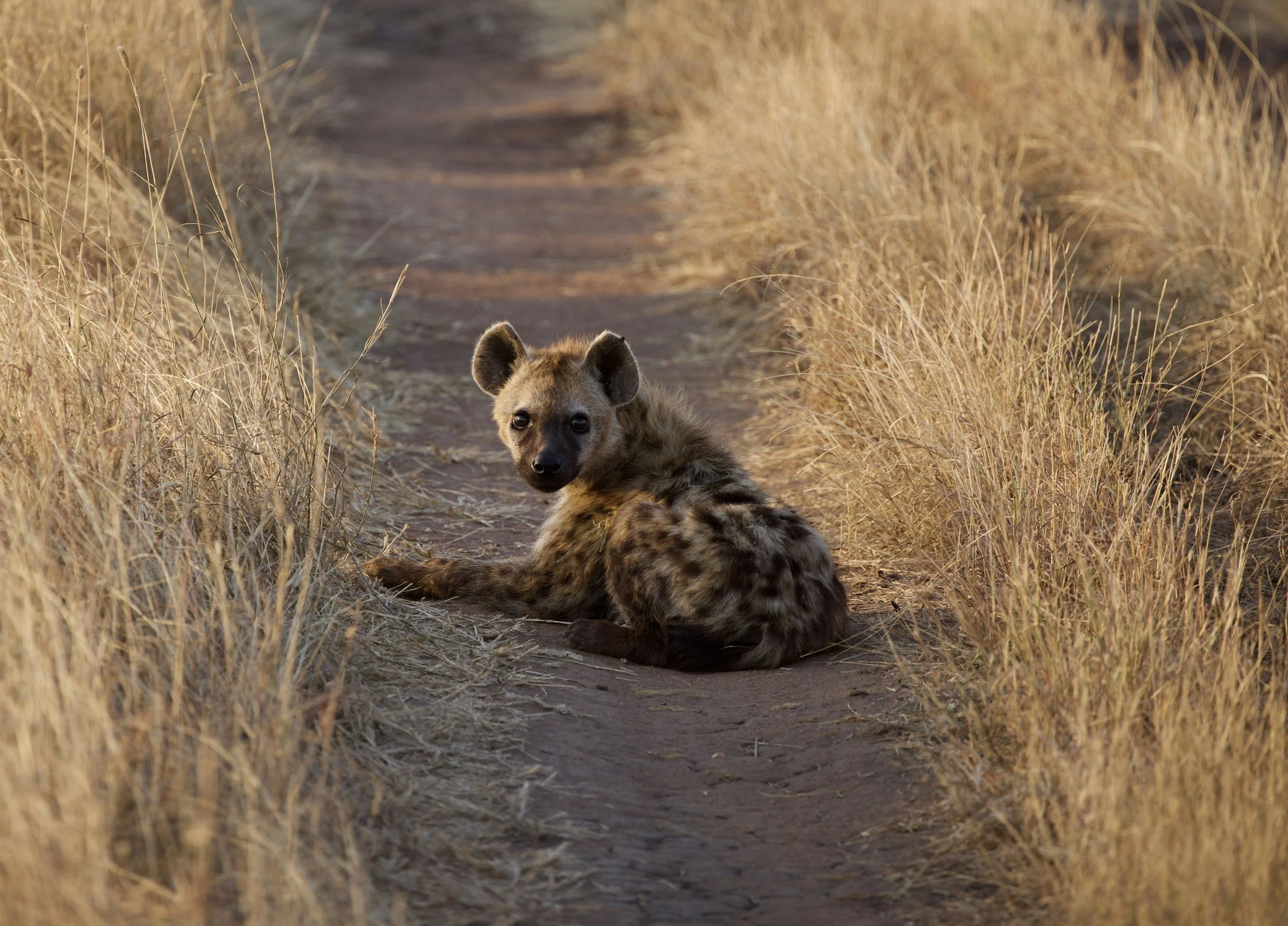
The threats are grave:
Habitat loss from urban expansion, and infrastructure projects fragments their range.
Poaching continues, globally and for bushmeat, trophy hunting.
Human/wildlife conflicts make conservation efforts more challenging.
United Tansania: Bridging Science and Coexistence at Lake Eyasi
Vision To create a sustainable future where Africa’s apex predators and local communities thrive in harmony, transforming historical conflict into long-term coexistence.
Mission United Tansania is a conservation-driven organization dedicated to protecting vital hyena populations through evidence-based research and community-led mitigation strategies. We bridge the gap between field data and executive conservation strategy to empower local communities as active stewards of their environment, safeguarding both wildlife and human livelihoods.
Background United Tansania was established in 2021 in Berlin, Germany, to address the specific conservation challenges at the sensitive boundary between protected wildlife areas and human settlements. In 2022, we moved our operational base to the Lake Eyasi region in Tanzania to implement practical, field-based conservation. We embrace a "One Health" philosophy, recognizing that the well-being of local communities, their livestock, and the surrounding wildlife are fundamentally interconnected. By combining scientific research with community-driven initiatives, we foster long-term solutions that make wildlife a valued asset rather than a threat to livelihoods.
Objectives
· Conflict Mitigation: Significantly reduce human-hyena conflict through community-based protection measures, including the construction of fortified bomas.
· Evidence-Based Research: Close knowledge gaps regarding spotted and striped hyena populations through consistent monitoring and advanced data collection.
· Sustainable Coexistence: Transform wildlife presence from a perceived economic risk into a community asset through local participation and benefit-sharing.
· Public Awareness: Challenge inaccurate perceptions of hyenas and foster a deeper understanding of their essential role as ecosystem engineers.
Project Description
United Tansania operates at the frontline of the wildlife-livestock interface, employing a multifaceted strategy:
· Hyena Population Studies: We map habitat use by integrating camera-trap data with advanced GPS-satellite telemetry. This enables us to analyze group dynamics and gain deeper insights into the drivers of human-carnivore encounters.
· Community-Led Monitoring: Our local Carnivore Conflict Monitors are the heart of our field operations. They document conflict incidents, which are cross-referenced with our ecological data to identify conflict hotspots and refine mitigation strategies.
· Community Empowerment: Through our camera-trapping program, we implement a system that rewards community participation in wildlife monitoring, creating a direct economic incentive for coexistence.
· One Health Initiatives: Building on our core "One Health" philosophy, we lead regional initiatives—such as our mass rabies vaccination program—which protect domestic dogs and local wildlife alike, ensuring the stability of the entire Lake Eyasi ecosystem.
· Rabies vaccination program
o Rabies impacts a lot of people across Tanzania each year, accounting for approximately 1,500 deaths from dog-mediated rabies annually. The Tanzanian government is actively working to be a rabies-free country by 2030. United Tansania partnered with Mission Rabies and organised a vaccination program in 2024, travelling from home to home through all the communities surrounding the project site and vaccinating 2830 dogs across 12 villages located within 3 wards of the Karatu District. Over a period of 2 weeks, 10 teams with 2 people each spread out across the 12 villages to vaccinate the dogs. All 20 people were also vaccinated with 2 doses. Within the targeted area, 76.5% of the known dog population was vaccinated. The recommended coverage is 70% to prevent outbreaks. Through vaccination programs like this, the spread of this disease to wild animals is also reduced.
Community Movie Nights: Bridging Awareness & Action
At the heart of our conservation efforts lies the relationship between local communities and the wildlife they share their land with. Our Community Movie Nights are more than just a screening; they are powerful forums for dialogue and change.
We bring communities together to watch a film centered on human-wildlife conflict—showcasing real-world solutions and successful interventions from other regions. Following the screening, we open the floor for an honest, collaborative discussion.
Why it matters:
Bridging Perspectives: We analyze the strategies shown in the film and compare them to our local context.
Knowledge Exchange: Together, we evaluate which measures could be adapted to our specific challenges and why some might not fit.
Empowering Solutions: By turning these nights into brainstorming sessions, we ensure that conservation measures are not just "imposed," but understood, accepted, and co-designed by the people living on the frontlines.
Your support helps us fund the venue, catering, and fuel required to reach remote areas—enabling us to keep these vital conversations going and build sustainable, community-led solutions for a shared future."
· Camera Scout Project
o The Camera Scout Project is a 6-month, community-led initiative across 6 villages in critical wildlife corridors. Each village deploys 3 camera traps managed weekly by a local scout, integrating communities directly into wildlife monitoring. To transform wildlife from a financial liability into an asset, a competitive points system rewards communities for species captured, giving the highest value to persecuted predators. The top-scoring village wins a monthly grant for local development projects. This project seeks to establish a mutually beneficial framework that harmonises community development with wildlife.
· Carnivore Conflict Monitors
o The Carnivore Conflict Monitor program will employ 6 people from 6 different villages as monitors. Over a 6-month period, they will be responsible for reporting all livestock depredation incidents, collecting data on owner information, livestock species, carnivore species, data and time, GPS location, and location type (boma, open area, etc).This project will run in parallel to the existing Camera Scout Project to allow United Tansania to compare the geo-referenced locations of livestock attacks (collected by the Monitor) with the locations and timing of carnivore presence (captured by the Camera Scout team). The goal is to establish a robust, geo-referenced conflict database that is validated against ecological presence data to inform effective, evidence-based mitigation strategies.
Information about target species (spotted and striped hyenas)
Conservation status (IUCN)
o While spotted hyenas are listed as Least Concern by the IUCN Red List, striped hyenas are Near Threatened. Both species face threats from habitat loss and human-wildlife conflict.
· Adaptations and diet:
o Spotted hyenas are often thought to be strictly scavengers, however, while they do scavenge, they are also very skilled hunters with high success rates. As apex predators, spotted hyenas play a vital role in regulating herbivore populations, which helps maintain the overall health and balance of the ecosystem. Due to adaptations in their teeth, jaw, skull, and neck muscles, hyenas are able to crush bones very effectively. They can therefore access bone marrow and nutrients found in bones that other predators cannot.
· Ecological role:
o Hyenas serve unique roles in their ecosystems. They effectively clean up carcasses, and their highly acidic stomachs destroy pathogens. In doing so, they can minimise diseases from spreading to livestock, wildlife, and people. Additionally, by consuming bones, they are able to access nutrients, like calcium and phosphorus. Through their scat, these nutrients are returned to the soil and feed plants and small wildlife. As apex predators, spotted hyenas are also important in balancing herbivore numbers and balancing food webs.
· Social structure:
o Spotted hyenas can be found in groups of more than 90 individuals. These groups are known as clans. The social structure of clans is unique and complex, and is actually more similar to that of primates, like baboons, than it is to other social carnivores. These clans are large families with multiple generations living together under a matriarchal hierarchy. All the females in the group are higher ranking than males, and females stay in their birth clan, while males often disperse.
· Conservation:
o Due to their undeserved reputation, public sympathy towards hyenas is significantly reduced which can impact conservation efforts. These carnivores are vastly misunderstood and are incredibly deserving of an image makeover in the media and in peoples’ minds.
· Striped hyenas
Unfortunately, not much is known about this species. After 2 years of fieldwork, we were able to catch the first individual on camera traps! With continued monitoring through camera traps, we aim to contribute to species understanding and learn more about the issues that threaten their survival.
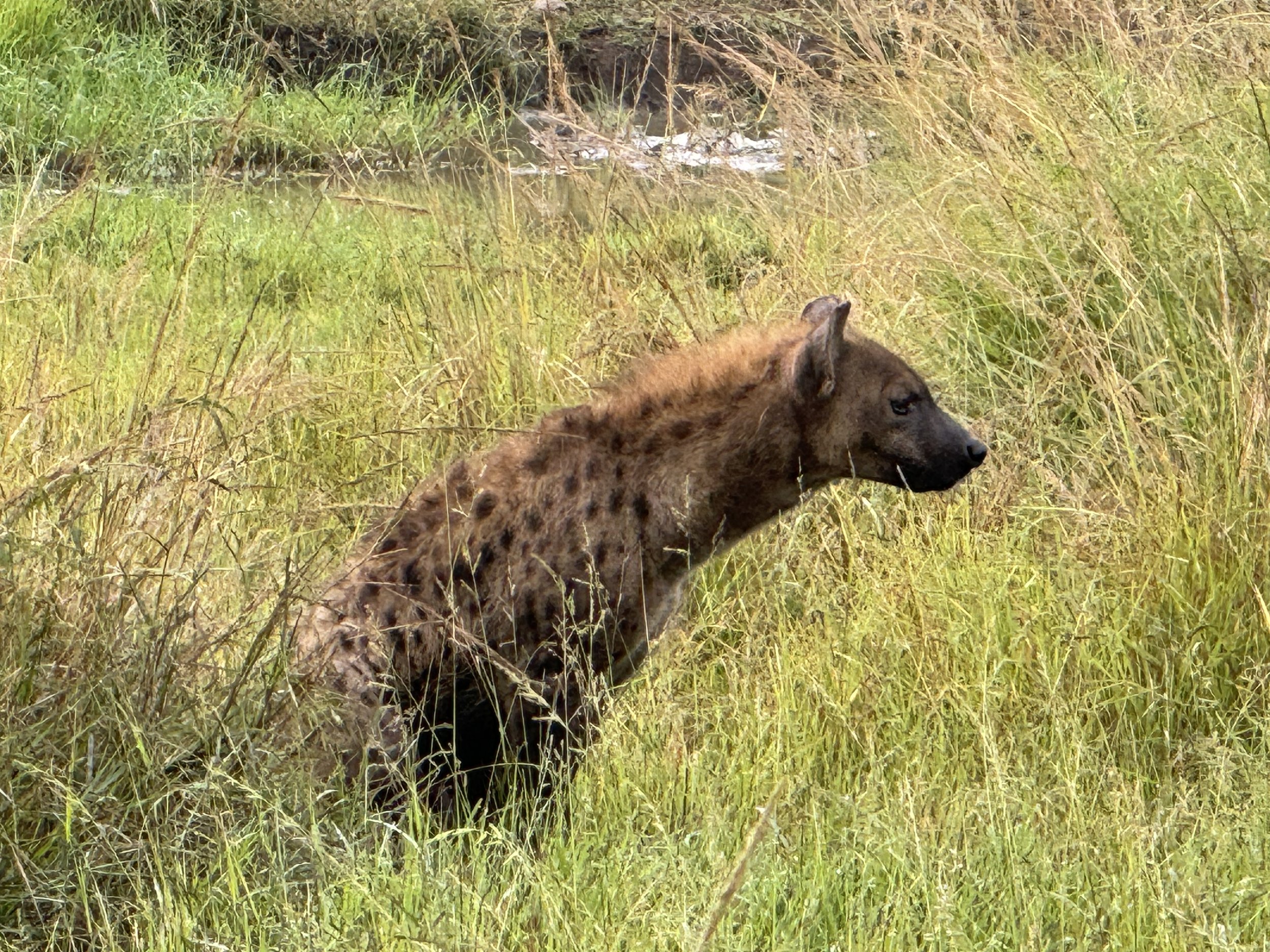
Photo credit: Celeste Collins-Over and Above Africa